
A new default has settled into a lot of AI-generated imagery. The lighting is soft but directional. The surfaces show controlled wear. The compositions feel slightly imperfect, as if the frame was found rather than built. The color is muted just enough to suggest seriousness. The overall effect is a polished version of realness.
This look is now common enough to name. It is the visual grammar of AI-generated authenticity. It signals that the image is not trying to look like traditional commercial perfection. It also risks becoming its own form of generic.
I encounter this grammar constantly in brand work, editorial concepts, and personal content systems. The images are rarely bad. They are often competent and even appealing. They are also increasingly interchangeable. Once you start seeing the pattern, it becomes hard to unsee.
This article is an attempt to describe the grammar clearly, explain why it appears, and outline how to direct past it when the work needs something more particular.
How the Grammar Formed
Image models learn from vast quantities of existing photographs. When users ask for authenticity, realness, documentary feeling, or anti-commercial texture, the systems draw on the most statistically successful ways those qualities have been signaled in the training data.
Certain solutions rise to the top. Soft side light that models faces and objects gently. Environments that look lived-in but not chaotic. Props and surfaces that carry just enough history to feel credible. Color palettes that avoid both high saturation and stark desaturation. Compositions that include a modest amount of visual noise without sacrificing clarity.
None of these choices are wrong. They became dominant because they reliably produce images that feel more grounded than glossy studio defaults. The problem arises when they harden into a shared vocabulary that no longer requires specific intention.
At that point “authenticity” stops being a response to a particular subject or brand and becomes a style preset.
The Recurring Elements
Several elements appear with high frequency in AI images that aim for realness.
Lighting tends toward the available and the flattering. Hard light, mixed color temperatures, and genuinely difficult illumination conditions are less common unless explicitly requested. The preferred light suggests presence without complication.
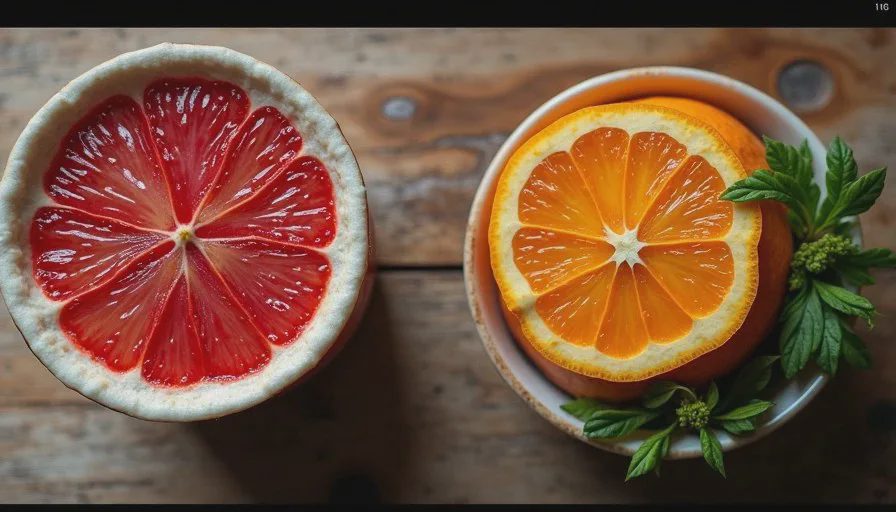
Surfaces show managed imperfection. Wear is present but aestheticized. Dust, scratches, and residual marks appear in ways that enhance rather than disrupt. Real material history is usually messier and less compositional.
Human presence, when included, favors neutral or contemplative expressions and unstaged-looking postures. Extreme emotion, awkward transitions, and genuinely unflattering moments are rare. The people look real in the way that stock photography once aspired to look real.
Environments balance specificity and openness. They feel like they could exist, yet they rarely contain the density of contradictory detail that characterizes actual places. The frame is coherent in a way that real locations often are not.
Typography and graphic elements, when present, follow the same logic. They look considered and slightly informal at the same time. The tension between those two qualities is carefully maintained.
Taken together, these elements produce a recognizable register. It is the current baseline for “authentic” AI imagery.
Why the Grammar Is Useful and Why It Becomes a Problem
The grammar is useful because it gives teams a fast way to move away from older commercial clichés. It provides a shared language for “not glossy” or “more human.” In early exploration it can be efficient.
It becomes a problem when it substitutes for actual observation or strategic specificity. An image can follow every rule of the current authenticity grammar and still fail to belong to a particular brand, place, or story. The realness it performs is generic realness.
I see this most clearly when multiple brands in the same category commission AI visuals independently and end up with images that could be swapped without anyone noticing. The technical quality is high. The directional decisions are shared.
Directing Beyond the Default Grammar
Moving past the grammar requires treating authenticity as a set of specific claims rather than as a mood.
Instead of asking for an authentic or documentary feel, I specify the conditions that would make the image feel true to its subject. What kind of light actually belongs to this world? What material evidence should remain visible? What level of visual contradiction is acceptable? What should look expedient rather than designed?
These questions force the work out of the averaged solution space. They do not guarantee better images, but they make generic authenticity harder to accept.
Real references remain the most reliable corrective. A photograph of an actual location, object, or moment contains decisions and accidents that the current grammar tends to smooth over. Using such references as standards rather than as loose inspiration changes the review process. The question becomes whether the generated image has earned a comparable density of particularity.
Practical Tests for Detecting the Grammar
When reviewing AI images that aim for realness, I use a few quick tests.
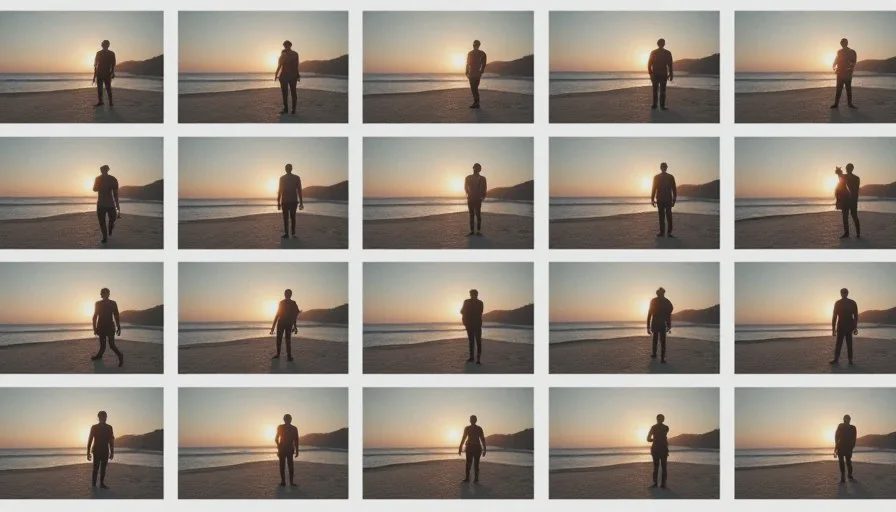
Could this lighting exist in several different cities and seasons without adjustment? If yes, the light may still be operating at the level of general authenticity rather than specific condition.
Do the imperfect elements feel chosen for visual balance rather than resulting from use or circumstance? Controlled imperfection is often a signature of the grammar.
Does the image become less interesting the longer you look at it? Many grammatically authentic images deliver their effect immediately and then have little left to reveal. More specific images often hold attention longer because they contain unresolved or secondary information.
Could the same image be used by a competitor with only minor changes? If the answer is yes, the authenticity on display is probably not yet brand-specific.
These tests do not reject the grammar outright. They check whether the work has gone beyond it.
When the Grammar Is the Right Tool
There are cases where the current authenticity register is appropriate. Early concepting sometimes benefits from a shared, low-friction visual language. Certain stories genuinely call for quiet realness without strong particularity. Not every image needs to be highly specific.
The key is knowing when the grammar is being used deliberately and when it is being used by default. Default use produces the interchangeable results that are becoming familiar. Deliberate use can still be effective.
Building a More Precise Visual Vocabulary
The long-term response to any dominant visual grammar is to develop more precise alternatives. This does not mean inventing new styles for their own sake. It means grounding visual decisions in the actual requirements of the work.
For brand projects I return to the positioning and the real context in which the brand operates. What does the product or service actually look like in use? What environments does it inhabit? What kind of evidence would make the image feel continuous with that reality rather than generically credible?
For editorial or personal work I return to observation. What details keep appearing when I look carefully at the subject? Which of those details are usually edited out of AI images, and what happens when they are deliberately retained?
Over time these questions produce a personal or brand-specific visual vocabulary that sits outside the shared authenticity grammar. The images may still use soft light or lived-in surfaces. They will use them for reasons that belong to the work rather than to the current default.
The Deeper Issue
The rise of a recognizable AI authenticity grammar reveals something larger about how these tools interact with visual culture. Models accelerate the spread of successful patterns. Once a pattern proves effective at signaling a desired quality, it proliferates. The window during which the pattern feels fresh is shorter than it used to be.
This dynamic places more weight on the quality of direction. When the tools make it easy to achieve a competent version of the current realness, the differentiator becomes the ability to demand something more exacting. That demand has to come from outside the model—from strategy, from observation, from a clear sense of what the image is for.
The grammar itself will evolve. New signals of authenticity will emerge as the current ones become over-familiar. The underlying need for specific visual judgment will remain.
Closing
AI-generated authenticity has developed a grammar that is now widely legible. Soft directional light, managed imperfection, coherent but uncluttered environments, and a restrained emotional register have become the default way to signal that an image is trying to be real.
The grammar is not a failure. It is a phase. It becomes a limitation only when it is accepted as the destination rather than as a starting point. The work of art direction is to know when the grammar is sufficient and when the image still needs to become more particular than the current shared language of realness allows.
The next time an AI image feels convincingly authentic, look again. Check whether the authenticity belongs to the subject or only to the prevailing style. If it belongs mainly to the style, the image may still be unfinished. Specificity begins where the default grammar ends.
Travellers Write
No letters yet — be the first traveller to write.